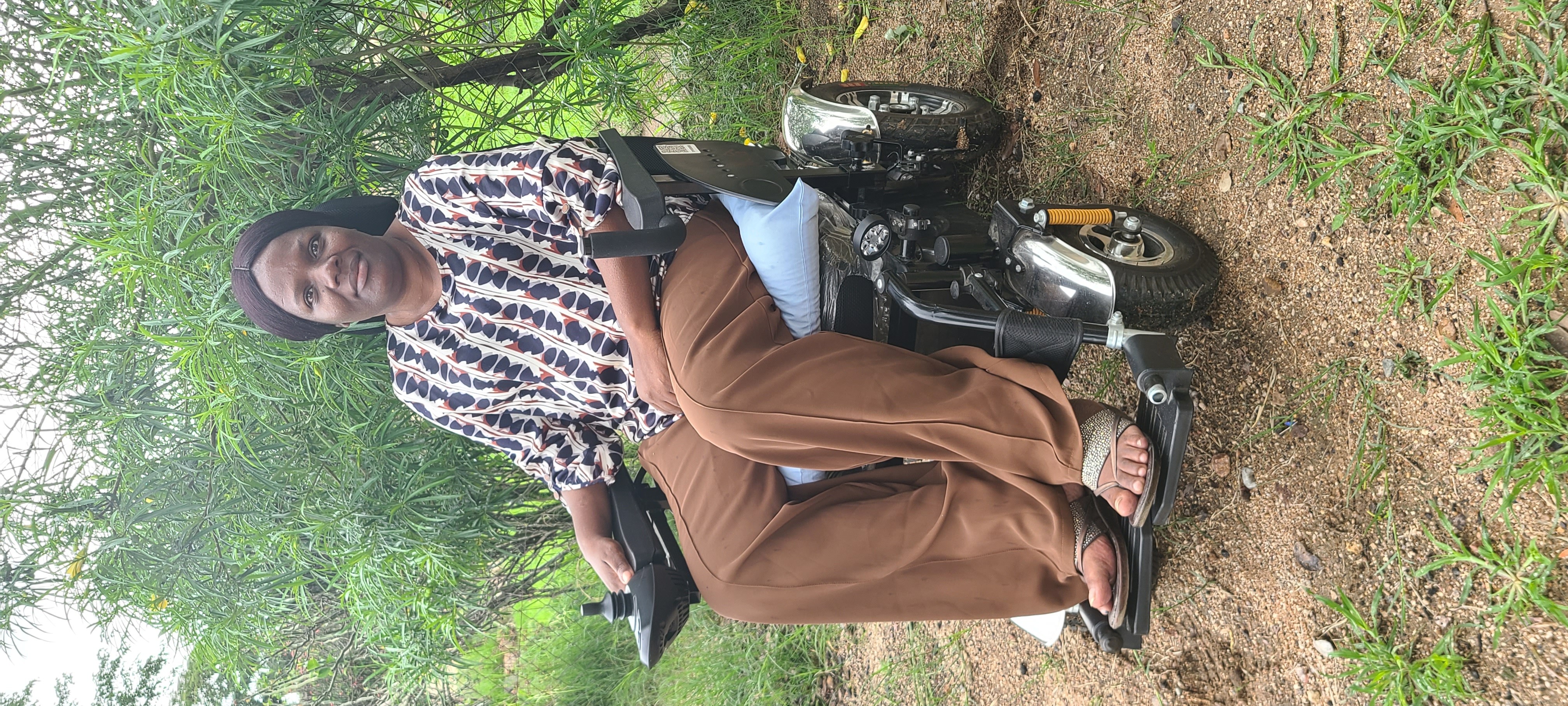
The Long Vigil of a Daughter
Morning enters our house quietly,
as though it understands
that this is a home where strength wakes early
In the center of that quiet
rests a single bed—
a small continent
upon which my mother’s days now gather
Five years have passed here,
five slow revolutions of the earth
since movement abandoned her limbs
like a season that forgot to return.
Once, her hands conducted the music of our home—
pots singing softly in the kitchen,
buttons fastened with tenderness,
braids woven patiently into our mornings
Now those same hands
tremble before a glass of water,
fragile as leaves
uncertain of the wind
And I—
I who was meant only to be a daughter—
have learned the quiet grammar of care.
I lift the cup.
I turn the weary body toward the light.
I wash the small humiliations
that illness leaves behind.
Love has made a discipline of my hands.
Yet in these long years
our house became a different kind of classroom.
From the quiet edge of her bed
my mother continued to teach
the language of living.
It was here I learned
how fire listens beneath a cooking pot,
how cloth bends gently beneath a needle,
how a chicken becomes a meal
in the patient hands of necessity.
Responsibility arrived early
and called me by name.
Still, her voice travels through our days—
guiding my younger siblings through homework,
correcting their uncertain answers,
reminding them that learning
is a door no sickness can close.
Even me—
she helps with my studies,
her mind still sharp with remembered lessons,
her wisdom rising stronger
than the weakness of her body.
Sometimes she whispers softly,
“My children…
I wish I could cook for you again.
I wish I could walk beside you in the market.
I wish my hands could still dress you
for the mornings of your lives.”
Her words fall gently,
yet inside my chest
they ring like distant bells.
Because memory is merciless.
I remember a mother
who moved through rooms like sunlight—
her laughter rising from the kitchen,
her footsteps quick with purpose,
her love scattered generously
across the ordinary hours of living.
Now her world
is measured in pillows and patience,
in the slow arithmetic of waiting.
And yet—
every day she gathers us in prayer,
lifting fragile hands toward heaven,
speaking blessings over our lives
with the quiet authority of faith.
Her body may rest upon a bed,
but her motherhood
still walks among us.
Night is the hardest teacher.
Often I rise from sleep
like a quiet sentinel of breath,
watching the blanket carefully
for the small rising
that means life still lingers.
Fear has trained my eyes
to worship the movement of air.
Beyond our walls
the world continues its restless dance—
people walking freely through their days,
complaining about the small weight of living.
But inside this room
we celebrate smaller miracles:
a calm morning,
a softened pain,
a smile that survives the storm.
And sometimes,
when the night deepens
and courage grows thin,
I lift my questions
toward an unseen sky.
God—
are You listening
to the tired prayers of daughters?
I have heard stories
of broken bodies remembering how to rise
after decades of silence.
So I tell my heart
that five years
may only be the prologue of a miracle.
Yet faith, too,
knows the fatigue of waiting.
Still—
each morning I return
to the small world beside her bed.
I bring water.
I bring patience.
I bring the stubborn tenderness of hope.
Because love,
when tested by suffering,
does not abandon its post.
Love remains.
It washes the wounded hours.
It steadies trembling hands.
It learns the sacred endurance
of ordinary devotion.
And perhaps one day
my mother will stand again
and walk gently back into the sunlight.
But even if time delays that mercy,
let the world remember this:
Here stood a daughter.
Here grew a caregiver.
Here wrestled a believer
with the long silence of heaven.
And in this quiet room
where breath rises like a fragile prayer,
I am still here—
watching,
waiting,
loving.
I
The Long Vigil of a Daughter